Do You Really Need a Personal Color Analysis?
As personal color analysis has become more popular, there’s one question I hear all the time:
“Do I really need a professional personal color analysis?”
My answer is simple.
If you have the opportunity to see a professional, it’s absolutely worth it. But it’s not the only way to start understanding what suits you.
When I worked in Korea teaching personal color and personal styling, I realized that personal color is about much more than simply deciding whether someone is warm-toned or cool-toned.
What mattered most was understanding the whole person—their skin tone, overall image, facial features, and how different colors changed the way they looked.
Of course, a professional consultation is the most accurate approach.
An experienced consultant doesn’t look at just one thing. They consider many elements together and observe how your face changes when different colors are placed near it.
However, not everyone has access to a professional analysis.
The good news is that you can still learn a lot by paying attention to yourself.
One of the easiest ways is to think about the compliments you’ve received over the years.
Have people ever said:
“You look so fresh today.”
“Your skin looks brighter.”
“You look healthy and full of energy.”
Try to remember what color you were wearing when you heard those compliments.
On the other hand, have you ever worn a certain color that made you look tired, pale, or dull?
Those small reactions often provide valuable clues.
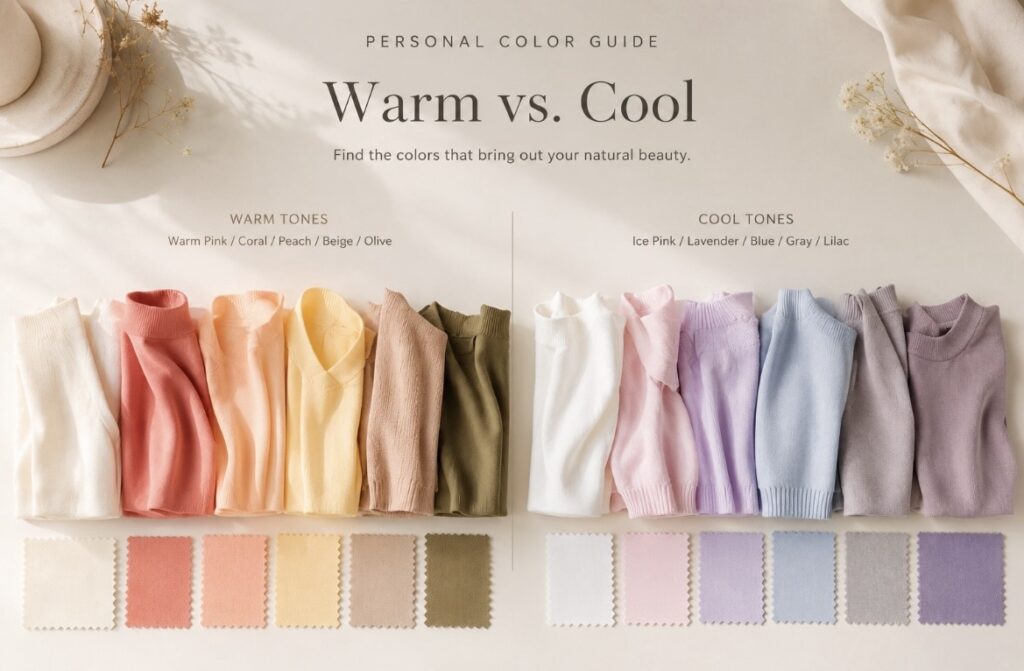
Personal color is usually introduced through two broad categories: warm and cool.
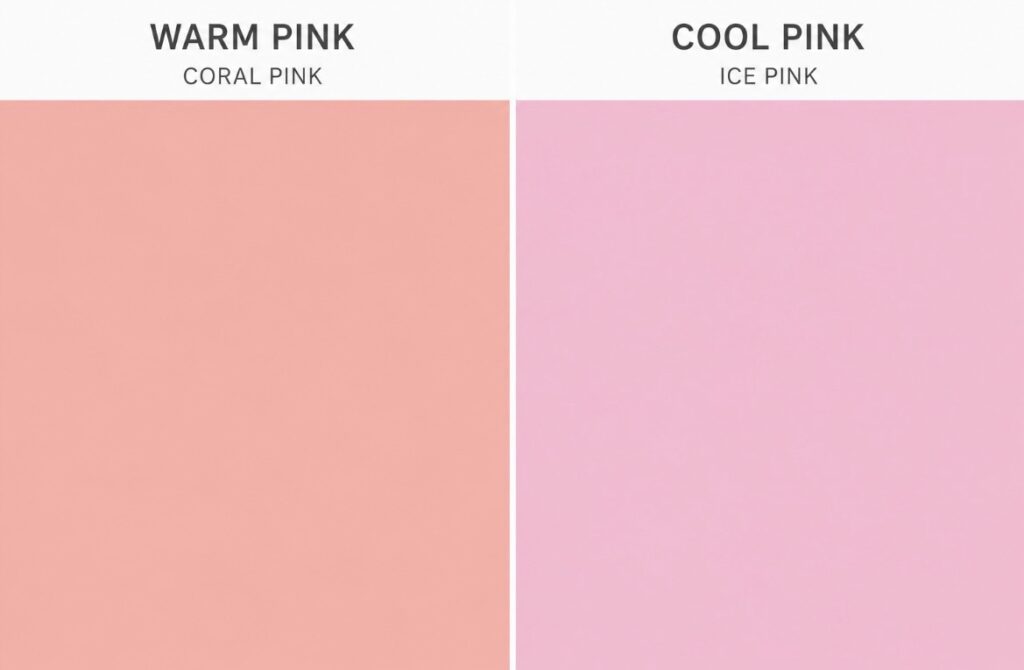
Warm colors generally have golden or yellow undertones and include shades such as ivory, warm beige, orange, mustard, olive green, and brown.
Cool colors have blue undertones and include colors like crisp white, cool pink, blue, lavender, and purple.
Of course, real personal color analysis is much more detailed than that. Even within the same color family, there are warm and cool variations.
These categories are simply a helpful place to begin.
One of the biggest lessons I’ve learned is that the colors you love aren’t always the colors that love you back.
A beautiful designer outfit can still make you look tired if the color doesn’t complement your natural features.
On the other hand, when you’re wearing colors that truly suit you, your skin often looks brighter, your face appears more vibrant, and even simple clothes can look elegant.
That’s why I believe personal color isn’t about following trends.
It’s about discovering the colors that naturally bring out the best version of you.
You don’t need to find your perfect palette overnight.
Start by paying attention to the colors that make you feel confident, the ones that consistently earn compliments, and the shades that make your face look brighter when you look in the mirror.
Finding your best colors isn’t about changing who you are.
It’s about allowing your natural beauty to stand out.